
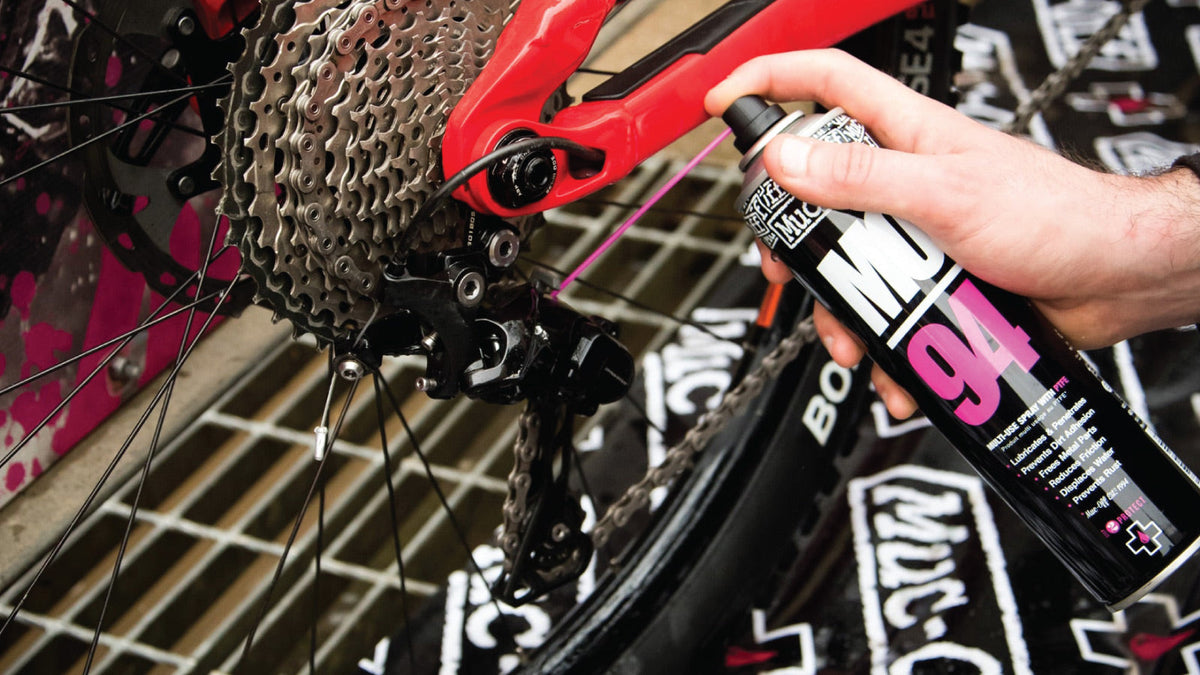
Bicycle Maintenance Schedule for Riders: Complete Service Guide
Quick answer: Check tyre pressure, brakes, wheels and the drivetrain before every ride. Clean and inspect the bicycle regularly, complete a more detailed monthly check and arrange a professional service approximately every three to six months when the bike is used frequently.
There is no single service interval for every bicycle. A bike used daily, ridden off-road or exposed to dust may need attention sooner than a bicycle used occasionally and stored indoors.
This bicycle maintenance guide provides a practical starting schedule. Always follow the service requirements issued by the bicycle and component manufacturers.
Bicycle Maintenance Schedule
| Frequency | Recommended Checks |
|---|---|
| Before every ride | Tyres, brakes, wheels, chain, handlebar and saddle |
| After dusty, wet or off-road rides | Clean the frame and drivetrain, inspect tyres and lubricate when required |
| Weekly | Drivetrain condition, tyre damage, brake response and loose components |
| Monthly | Detailed cleaning, chain wear, brake wear, wheel condition and bolt inspection |
| Every 3–6 months | General professional inspection depending on mileage and usage |
| Annually | Full preventive service and detailed component assessment |
These intervals are general guidance. High-mileage, competition, mountain and heavily used commuter bikes may require more frequent maintenance.
Why UAE Conditions Affect Bicycle Maintenance
Heat, airborne dust, road debris, storage conditions and long periods without use can all influence bicycle condition.
Common UAE maintenance concerns include:
- Dust collecting around the chain and gears
- Lubricant attracting abrasive dirt when applied excessively
- Tyre pressure changing during storage
- Rubber components ageing in heat and direct sunlight
- Sweat affecting bolts, bearings and indoor-training equipment
- Braking surfaces becoming contaminated during cleaning
- Bicycles being stored for months without inspection
Regular inspection helps identify minor concerns before they become expensive or unsafe problems.
Checks to Complete Before Every Ride
A quick inspection takes only a few minutes and should be completed before every ride.
Check the Tyres
- Confirm that both tyres are inflated appropriately
- Look for cuts, cracks, bulges and exposed casing
- Remove visible glass, thorns or sharp debris carefully
- Check that the tyre is seated evenly around the rim
Use the tyre and wheel manufacturer’s permitted pressure range rather than inflating every bicycle to the same pressure.
Test the Brakes
- Apply the front and rear brakes separately
- Check that the levers do not pull completely to the handlebar
- Confirm that the bicycle stops smoothly
- Listen for unusual scraping or grinding
- Check that the pads contact the correct braking surface
Do not ride when the brakes feel weak, inconsistent or unusually noisy until the cause has been identified.
Check the Wheels
- Confirm that quick-release levers or thru-axles are secure
- Spin each wheel and look for excessive side-to-side movement
- Check for loose or damaged spokes
- Confirm that the wheel does not rub continuously against the brake or frame
Inspect the Chain and Gears
- Check that the chain is not dry, rusty or heavily contaminated
- Turn the pedals and listen for unusual noises
- Shift through several gears before beginning a long ride
- Look for a stiff or damaged chain link
Check the Handlebar, Saddle and Pedals
Confirm that the handlebar, stem, saddle and pedals do not move unexpectedly. A loose contact point should be corrected before riding.
What to Do After a Dusty Ride
Dust can combine with chain lubricant to create an abrasive paste around the drivetrain.
After a dusty ride:
- Allow the bicycle to cool when necessary.
- Remove loose dust using a soft brush or dry cloth.
- Clean the chain, cassette and chainrings using suitable bicycle products.
- Dry the drivetrain completely.
- Apply the correct lubricant sparingly when needed.
- Wipe excess lubricant from the outside of the chain.
Do not apply additional lubricant over a heavily contaminated chain without cleaning it first.
Weekly Bicycle Maintenance
A weekly check is appropriate for bicycles used regularly. Occasional riders can complete it according to mileage and conditions.
Clean the Bicycle
Wipe dust and dirt from:
- Frame and fork
- Wheels and spokes
- Crankset
- Chain and cassette
- Brake calipers
- Handlebar and controls
Use products intended for bicycles and keep lubricants away from brake rotors, brake pads and rim-braking surfaces.
Check Tyre Condition
Inspect the full tyre circumference. Replace tyres that show significant cuts, exposed casing, severe cracking, damaged beads or unexplained bulges.
Test Gear Shifting
Shift through the cassette while turning the pedals. The chain should move between gears without repeatedly clicking, jumping or falling off.
Poor shifting may be caused by:
- Cable tension
- A contaminated drivetrain
- A worn chain
- A damaged derailleur hanger
- Incorrect adjustment
- Worn cassette or chainring teeth
Monthly Bicycle Maintenance
The monthly inspection should be more detailed than the quick pre-ride check.
Measure Chain Wear
A chain gradually becomes longer as its internal surfaces wear. Riding a severely worn chain can accelerate wear on the cassette and chainrings.
Use a suitable chain-wear measuring tool and follow the drivetrain manufacturer’s replacement guidance.
Inspect Brake Pads
Check remaining pad material and replace worn or contaminated pads. Brake-pad requirements differ between rim brakes and disc brakes.
Disc-brake pads should not be touched on the braking surface with oily hands. Contaminated pads may become noisy and lose braking effectiveness.
Inspect Brake Rotors or Rims
On disc-brake bikes, inspect the rotors for contamination, damage and excessive wear. On rim-brake bikes, inspect the rim-braking surface and follow any wear indicators provided by the wheel manufacturer.
Check the Wheels
Look for:
- Loose or broken spokes
- Rim damage
- Wheel movement at the hub
- Tyre seating problems
- Sealant leakage on tubeless systems
Inspect Bolts Carefully
Check important fasteners using the correct tools and torque specifications.
Do not tighten every bolt as hard as possible. Excessive torque can damage threads, clamps and carbon components.
How Often Should You Professionally Service a Bike?
A frequently used bicycle may benefit from professional inspection approximately every three to six months. Less frequently used bicycles may need a detailed annual service, provided no problems develop earlier.
Arrange earlier inspection when the bicycle:
- Is used for daily commuting
- Regularly completes long-distance rides
- Is ridden off-road
- Has been involved in a crash
- Has developed unusual noises
- Has poor braking or shifting
- Has loose bearings or wheels
- Has been stored for a long period
Professional maintenance may include drivetrain adjustment, brake inspection, wheel truing, bearing assessment and replacement of worn components.
Annual Bicycle Service
An annual service provides an opportunity to inspect components that may not be covered during routine cleaning.
Depending on the bicycle and mileage, the inspection may include:
- Headset bearings
- Bottom bracket
- Wheel hubs
- Brake cables or hydraulic systems
- Gear cables and housing
- Chain, cassette and chainrings
- Tyres and inner tubes
- Suspension components
- Frame and fork
- Pedals and cleats
Replacement should be based on condition, measurement and manufacturer guidance rather than age alone.
How Often Should You Lubricate a Bike Chain?
Lubricate the chain when it has been properly cleaned, is dry and requires lubrication. There is no universal number of days because riding distance, weather, lubricant type and cleaning frequency vary.
Signs that the chain may require attention include:
- Dry metallic noise
- Visible surface corrosion
- Rough movement
- Lubricant being removed during cleaning
More lubricant is not always better. Excess lubricant attracts dirt and should be wiped from the external chain surfaces after it has reached the internal rollers.
Wet Lubricant vs Dry Lubricant
Dry-condition lubricants are commonly selected for dusty environments because they may attract less contamination when correctly applied. Wet-condition lubricants generally provide greater persistence in wet weather but can collect more dust when overapplied.
The correct option depends on:
- Riding environment
- Ride duration
- Cleaning routine
- Drivetrain type
- Lubricant manufacturer’s directions
Never mix large quantities of different lubricants over a dirty chain. Clean the drivetrain before changing products.
How Often Should Tyre Pressure Be Checked?
Check tyre pressure before every ride or at least regularly during periods of use. Air naturally escapes over time, and narrow high-pressure tyres may require more frequent attention than larger-volume tyres.
Tyre pressure should account for:
- Rider and luggage weight
- Tyre width
- Wheel and rim limits
- Road surface
- Tubed or tubeless setup
- Manufacturer recommendations
Avoid inflating solely to the maximum number printed on the tyre. That marking is a limit, not automatically the ideal riding pressure.
How Often Should Tubeless Sealant Be Checked?
Tubeless sealant gradually dries and may require replenishment. The interval varies according to product, tyre volume, heat, storage and frequency of use.
Check the sealant according to the manufacturer’s instructions and sooner when:
- The tyre loses pressure unusually quickly
- No liquid sealant can be detected
- The bicycle has been stored for an extended period
- Sealant has escaped through a puncture
Carry a compatible emergency repair method even when using tubeless tyres.
Suspension Maintenance
Mountain-bike suspension requires specialist maintenance at intervals determined by the suspension manufacturer.
Routine care includes:
- Wiping dirt from the stanchions
- Checking for oil leakage
- Inspecting seals
- Checking air pressure where applicable
- Monitoring unusual play or knocking
Do not apply general-purpose oils or cleaning chemicals to suspension seals unless approved by the manufacturer.
Hydraulic Brake Maintenance
Hydraulic disc brakes may require bleeding when air enters the system or performance changes. Brake-fluid type and service procedures vary between manufacturers.
Seek inspection when:
- The lever feels unusually soft
- The lever travels too close to the handlebar
- Braking performance becomes inconsistent
- Fluid leakage is visible
- The brake repeatedly loses pressure
Never mix incompatible brake fluids.
Indoor Trainer Maintenance
Indoor cycling can expose a bicycle to significant sweat even though the bike is not moving outdoors.
After an indoor session:
- Wipe sweat from the frame and handlebar
- Clean around the headset and stem
- Wipe the trainer
- Inspect the drivetrain
- Allow damp towels and mats to dry
- Check that sweat has not collected around bolts or electronics
A sweat cover and trainer mat can help protect the bicycle and floor, but they do not replace regular cleaning.
How to Store a Bicycle in the UAE
Store the bike in a dry, ventilated area away from prolonged direct sunlight and extreme heat where possible.
Avoid leaving the bicycle:
- In direct sunlight for extended periods
- Beside corrosive chemicals
- In standing water
- With completely flat tyres
- Covered in sweat or road salt
- Where it can fall or be struck
When storing a bicycle for several months:
- Clean and dry it thoroughly.
- Lubricate the chain appropriately.
- Inflate the tyres.
- Charge electronic components according to their instructions.
- Check the bike periodically.
- Complete a full inspection before returning to regular use.
Bicycle Cleaning Mistakes to Avoid
Using High-Pressure Water
High-pressure water can push contamination towards bearings and seals. Use controlled low-pressure cleaning methods instead.
Spraying Lubricant Near the Brakes
Lubricants can contaminate brake rotors, pads and rim-braking surfaces. Apply drivetrain products carefully and away from braking components.
Applying Too Much Chain Lubricant
Excess lubricant attracts dust. Apply the product according to its instructions and wipe away the excess.
Using Household Chemicals
Strong household cleaners may damage paint, seals, plastics and finishes. Use products suitable for bicycle components.
Ignoring Torque Specifications
Overtightening can damage components, while insufficient torque can allow them to move. Use a torque wrench where specified.
Warning Signs That Need Immediate Attention
Stop riding and inspect the bike when you notice:
- A crack or deep damage in the frame or fork
- A loose handlebar, stem or wheel
- Brake failure or fluid leakage
- A tyre bulge or exposed casing
- A broken spoke affecting wheel stability
- Severe wheel wobble
- A chain repeatedly falling off
- A pedal or crank becoming loose
- Unusual movement in the headset or bottom bracket
- Damage following a crash
Continuing to ride can make the damage worse and may create a safety risk.
Basic Home Bicycle Maintenance Kit
A useful home kit may include:
- Floor or track pump with pressure gauge
- Tyre levers
- Compatible spare inner tubes
- Bicycle multi-tool
- Chain lubricant
- Drivetrain cleaner
- Soft brushes
- Microfibre cloths
- Chain-wear measuring tool
- Torque wrench for suitable tasks
- Repair stand where space permits
Tools should match the bicycle’s components. Using the wrong tool can damage fasteners and parts.
Frequently Asked Questions
How often should I service my bicycle in the UAE?
A regularly used bike may benefit from professional inspection every three to six months. A lightly used bicycle should still receive a detailed annual check and immediate attention whenever a problem develops.
Should I clean my bike after every ride?
A full wash is not required after every clean road ride. However, dust, sweat, mud and contamination should be removed before they accumulate or affect moving parts.
How often should I lubricate the bicycle chain?
Lubricate it after appropriate cleaning when the chain is dry or when the existing lubricant is no longer effective. The interval depends on distance, conditions and product type.
Can I use household oil on my bike chain?
Use a lubricant designed for bicycle drivetrains. Household oils may attract excessive contamination or fail to provide suitable performance.
Why does my bike chain become black?
Dark residue commonly develops when lubricant mixes with dirt and drivetrain wear particles. Clean the drivetrain and avoid applying excessive lubricant.
How often should I check bicycle tyre pressure?
Check it before every ride or regularly during use. Do not rely on squeezing the tyre by hand when accurate pressure matters.
Do unused bicycles still need maintenance?
Yes. Tyres lose pressure, lubricants age, batteries discharge and corrosion can develop during storage. Inspect the bicycle before returning it to use.
Can I wash my bike with a pressure washer?
High-pressure water is not recommended around bicycle bearings, seals and sensitive components. Use lower-pressure water and appropriate brushes.
When should a chain be replaced?
Replace it according to measured wear and the drivetrain manufacturer’s guidance. A chain-wear tool provides a more reliable indication than appearance alone.
Why are my disc brakes making noise?
Noise may be caused by moisture, dirt, glazing, incorrect alignment or contamination. Persistent noise or weak braking should be professionally inspected.
Maintain Your Bicycle with CycleSouq,com
A consistent maintenance routine helps the bicycle remain smooth, reliable and enjoyable to ride.
Complete a short inspection before every ride, clean the bike according to the conditions and arrange professional attention whenever braking, shifting or component security changes.
Explore Bike Maintenance Products, Bicycle Tools, Workshop Equipment and Bike Stands at CycleSouq.
This guide provides general maintenance information and does not replace the service instructions issued by the bicycle and component manufacturers.